On Systems, Surfaces, and Intelligence
I started with the quick brown fox, mostly to test type. Then the page wandered into a bigger question: what are we really touching when we use an interface?
Surfaces
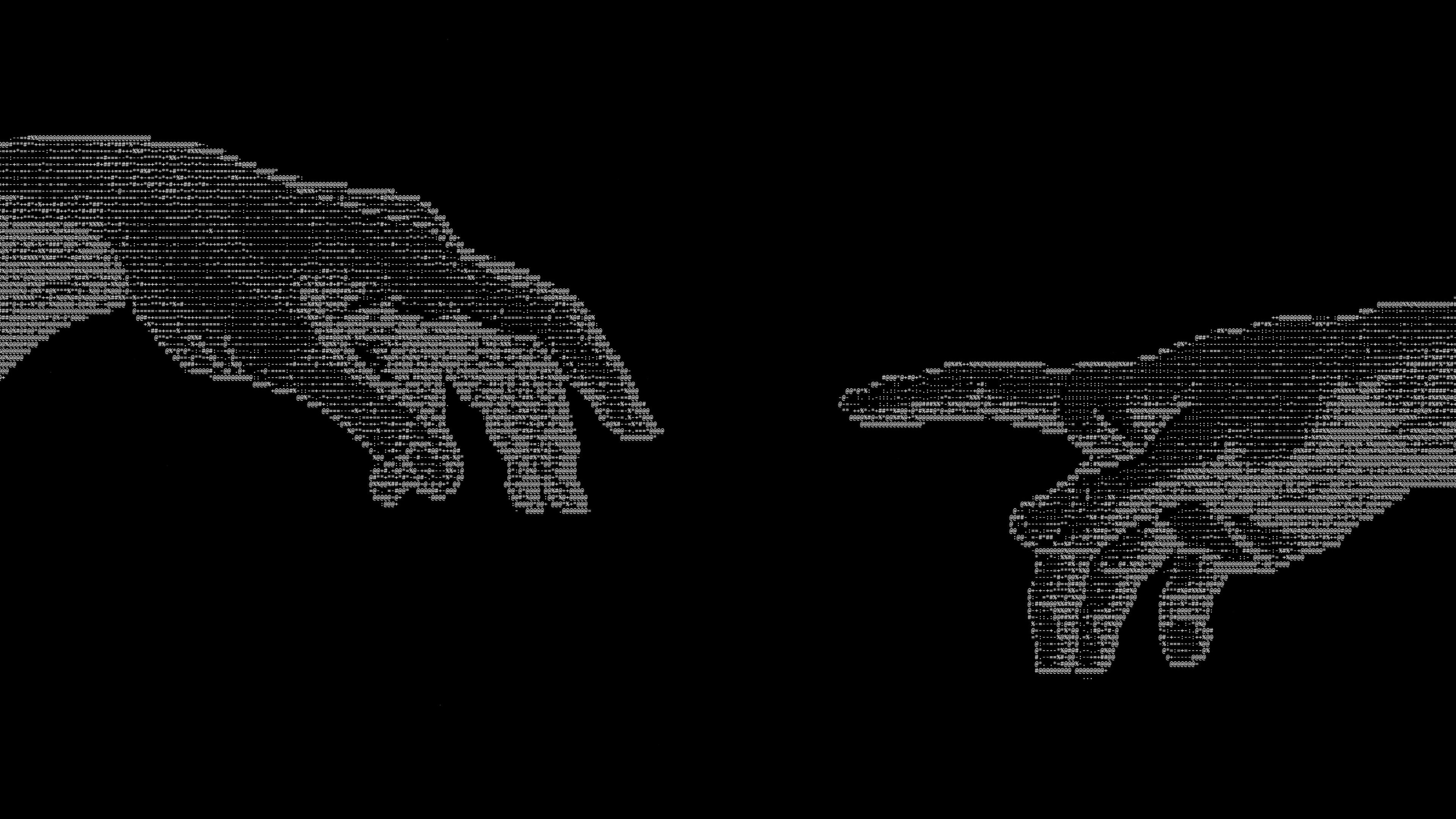
I think of an interface as a surface. Eyes move over it. Hands move through it. The system underneath stays mostly hidden.
That surface is not neutral. It sets hierarchy, pace, and tone. Feedback matters, as usability heuristicsremind us, but clarity alone is not the whole feeling.
“We do not interact with systems directly—we interact with their representations.”
Systems
The web started with documents. Now a page can hold state, react, adapt, and make decisions around you.
Interaction used to follow simple patterns:
- Click → response
- Input → output
- Page → navigation
Today, it looks more like:
- Intent → interpretation → response
- Prompt → generation → refinement
- Human → system → collaboration
Interaction
Interaction is not one click. It is the scroll, the wait, the response, and the moment you decide whether the system feels right.
Interaction exists across layers:
- Visual (layout, hierarchy)
- Behavioral (motion, response)
- Temporal (timing, pacing)
The AI Layer
AI makes the system less fixed. It can generate, interpret, and surprise you.
This creates new tensions:
- Clarity vs ambiguity
- Control vs emergence
- Precision vs interpretation
That moves design away from controlling every outcome and closer to guidance. Messier, yes. More interesting too.
Conclusion
The quick brown fox was never about the fox. It was a system checking what it could hold.
This page does a version of that for my lab: text, media, links, and a thought that keeps stretching.
Screens are still here. They are just not the whole story anymore.